
Journeys Where Steel Meets Stone and Sky

Step aboard preserved carriages and follow centuries-old footways as mountains rise around you, where steam, whistle, and granite ridge lines guide the day. We explore heritage railways and historic paths that reveal sweeping valleys, daring viaducts, and quiet moorland crossings, celebrating volunteers, local cafes, and waymarkers. Expect practical tips, heartfelt stories, and creative inspiration for combining classic train rides with memorable walks across high country landscapes, inviting you to linger, listen, and share your own discoveries.

Origins Along the Ridges

From mineral lines that first hugged foothills to parish paths tracing livestock routes, mountain travel shaped commerce and culture long before leisure excursions. When steam arrived, communities gained lifelines through passes, while wayfarers kept their intimate knowledge of contour, shelter, and springs. Together, rails and paths mapped resilience, turning harsh gradients into shared gateways for workers, families, hikers, and storytellers.

Tracks Forged by Coal and Courage

Industrial demand funded embankments, cuttings, and bold tunnels that climbed toward quarries and forests, where avalanches and thaw challenged every schedule. Crews read mountains like ledgers, balancing tonnage with safety. Their legacy remains in preserved locomotives, careful gradients, and station yards that now welcome curious travelers rather than wagons.

Paths Worn by Pilgrims and Pastoralists

Before tickets and timetables, feet and hooves selected the surest lines across scree, bog, and brink. Waystones marked shelter, chapels promised rest, and shepherds taught pacing with weather. Today those lines still guide walkers toward passes, views, and stories stitched into every cairn.

Mountain Communities Connected at Last

Stations brought letters, tools, doctors, and orchestras-in-a-tent, knitting valleys to markets and festivals. Footbridges met platforms, giving farmers and schoolchildren reliable passage. Even now, seasonal services and waymarked links help residents and visitors sustain small businesses, protect dialects, and gather for repairs after storms.

Scenic Engineering and Trailcraft

Elegance hides in rivets, mortar, sleepers, and hand-cut steps. Viaduct spandrels echo cliff strata, while zigzagging paths trade distance for breath, sparing knees and habitats. Maintenance never ends: drains, gabions, and fences defend fragile slopes so engines and boots can pass with reverence rather than strain.

Viaducts, Tunnels, and Hairpin Curves

Designers read ravines and snow lines, aligning spans where winds calm and rock holds. Brickwork dissipates stress like ripples, while portals deflect drifts and curious goats. Curvature whispers limits to drivers and walkers alike, urging patience, spacing, and deep appreciation for controlled momentum.

Dry-Stone Steps, Boardwalks, and Switchbacks

Trail builders negotiate peat, springs, and trampling, laying stones so water chooses quiet paths. Timber floats across bog, while switchbacks open views and reduce erosion. Volunteers learn rhythms of carry, set, and tamp, discovering muscles, friendships, and humility beneath wide, changing skies.

Blending Access with Conservation

Every gate, stile, and whistle board mediates needs of species, stock, and people. Wayfinding minimizes wandering through nests and meadows, while service trains ferry materials without new tracks. The ethic is simple: see more by scarring less, and leave room for tomorrow.
Planning an Unforgettable Day Out

With mountains, conditions swing quickly, so preparation turns wonder into comfort. Match railway timetables to daylight for ridge views, cushion connections with snack time, and plot escape routes if clouds descend. Carry layered clothing, maps, and curiosity; the best plans always invite serendipity.

Timetables, Weather Windows, and Light

Check last services before ambitious summits, and remember request stops that need a signal to the guard. Watch cloud ceilings and wind chill rather than temperature alone. Dawn and late afternoon sculpt ridges beautifully, but midmorning trains may pair safer footing with warmer smiles.

Packing Smart for Rails-to-Trails Adventures

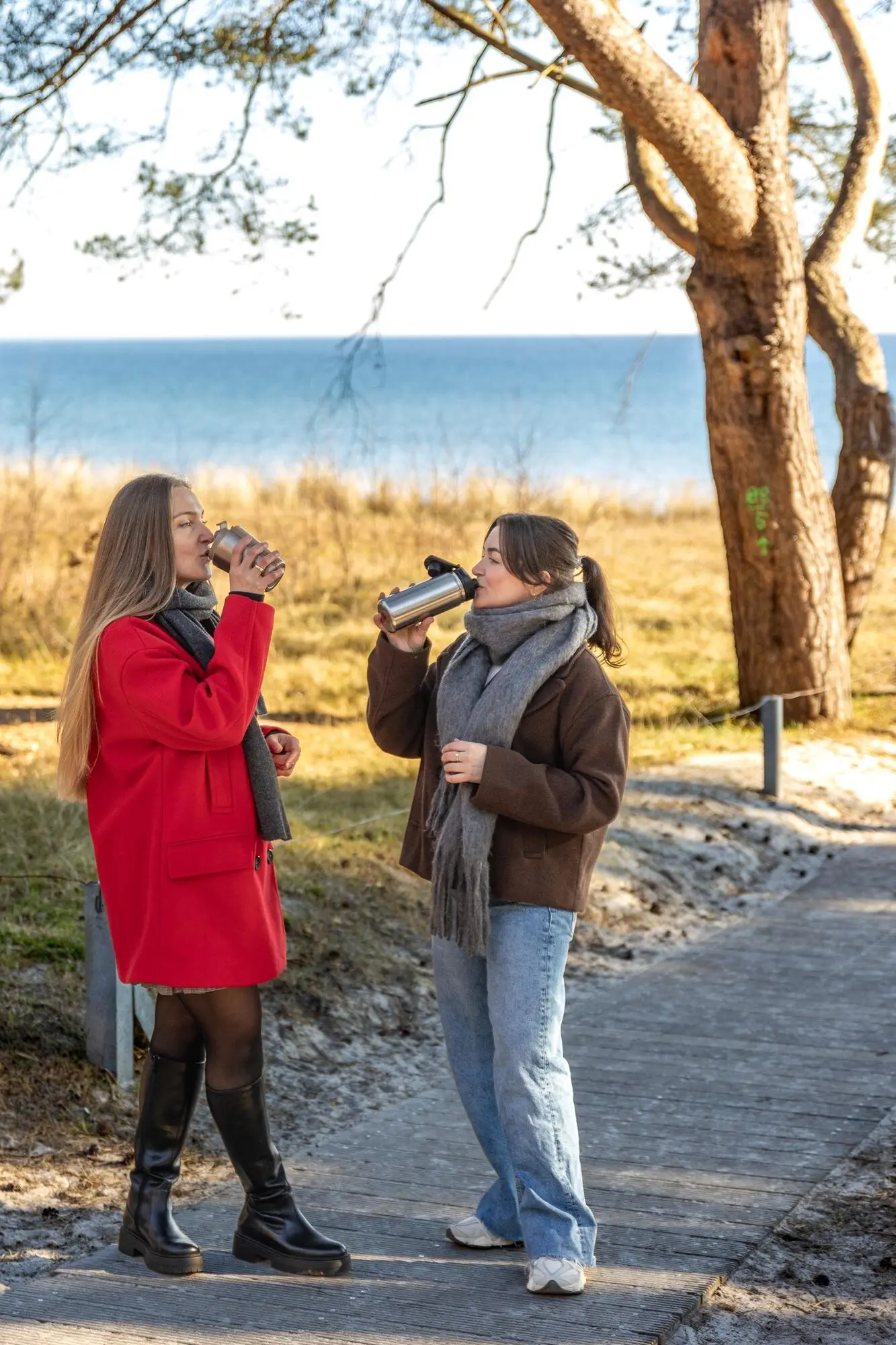
Aim for a light, reliable kit: water filter, blister care, headlamp, and an extra insulating layer. Add a reusable cup for station tea, and a sit pad for windy summits. Keep camera batteries warm; carry cash for honesty boxes and heritage donations.

Family-Friendly Routes and Senior Comfort

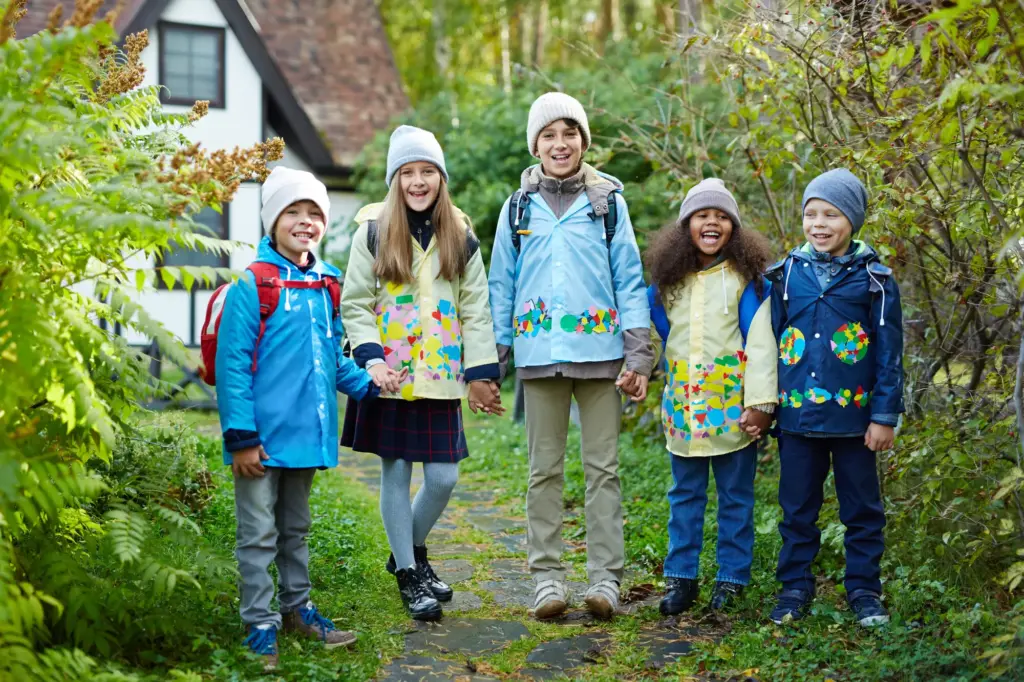
Short loops from stations let small legs succeed and older knees smile. Choose gentle gradients, picnic spots, toilets, and return options by rail or bus. Audio guides and benches near viewpoints make time generous, turning modest distances into rich, shared memories across generations.

Stories from the Line and the Lane

People keep the pulse: drivers who name curves, rangers who mend ruts, bakers who open early for hikers boarding the first service. Their kindness and craft reveal how landscapes become livelihoods, and why gratitude, patience, and greetings belong on every journey.

Spring Blossoms Beside Sleeper Bolts

Primroses sparkle along cuttings as maintenance crews replace spikes, pausing to protect nests. Meltwater chatters through culverts that also serve amphibians. Trains glide more quietly over greased curves, while walkers dodge tadpoles in puddles, learning to step wider and breathe greener air.

Summer Thunder and Alpine Butterflies

Heat shimmers above rails and granite, calling for extra water and shade breaks. Butterflies drift through heather as towers crackle distant warnings. Plan earlier departures, watch for flash floods, and remember cows with calves deserve a truly generous berth on narrow trods.

Autumn Smoke, Winter Silence, Stellar Nights

Leaves bronze the valleys while chimney plumes follow the locomotive like parchment unfurling. First snows invite microspikes and caution near iced sleepers. On clear nights, footpaths become observatories, where cooled rails ping softly and constellations explain distances better than any milepost could.

Photography, Sketching, and Sound

Creative practice deepens attention. Choose vantage points that respect private land and operational safety, then wait for light to kiss smoke and summit. Sketch contour rhythms while trains pause, and capture field recordings that weave birdsong, brakes, and wind into place-memory.

Framing Trains Against Glacial Cirques

Compose with foreground lichen, midground viaduct, and far snowfields, letting curves guide the eye. Use slower shutters for expressive steam, faster for crisp rods. Always prioritize lineside rules and designated viewpoints, accepting missed shots as investments in safety and future wonder.

Field Notes, Watercolors, and Charcoal

Pocket notebooks pair beautifully with travel cards. Jot locomotive numbers, lark songs, and wind directions, then wash paper with mineral hues lifted from cliffs. Charcoal catches track shadows quickly when clouds race, preserving moments that a shutter sometimes chases yet somehow overlooks.

Collecting Soundscapes Without Disturbance

A small recorder near a stile can harvest marvels: ravens rolling, valves sighing, boots on frost. Announce your purpose if others arrive, and step back from wildlife. Sound rewards patience, revealing distances and histories stitched across valley walls and timber sleepers.

Stewardship, Access, and Community

Respecting Rights-of-Way and Working Rails

Stay outside fences and off tracks unless staff invite you across, using designated crossings only. Dogs go on leads near animals and trains. Yield space to maintenance crews, heed whistles, and remember schedules dictate priority; your photographs and footsteps can always wait safely.

Joining Hands: Clubs, Trusts, and Path Groups

Local societies restore carriages, rebuild culverts, and print maps, inviting newcomers who bring smiles and cake. Training days teach tool use, bird awareness, and respectful communication with landowners. Membership fees and volunteer hours convert admiration into continuity through storms and bureaucratic seasons.

Funding, Tickets, and Trail Donations

That cheerful ticket supports coal, oil, inspections, and the last tins of paint. Path boxes buy gravel, signage, and biscuits that keep spirits high in hail. Choose gift aid, tap-to-give options, and occasional legwork, so preserves and paths remain generous to strangers.