

Highland Wild Encounters: From Rail Views to Secret Hides

We’re exploring wildlife watching in the Highlands, from carriage windows to trailside hides, tracing rail lines, lochs, and heathered slopes where red deer, eagles, and otters steal the spotlight. Expect practical tips, gentle storytelling, and ways to join a welcoming community that notices small movements, respects wild places, and returns home changed.

Choosing Routes That Reveal More Life

Not every carriage view or footpath offers the same chances. By pairing celebrated rail journeys with short walks to quiet hides, you multiply encounters while minimizing disturbance. We highlight timings, carriage sides, tidal cues, and shoulder-season magic that turn ordinary travel into patient, observant exploration.

Dawn Patrol from a Window Seat

First light pours sideways across moorland, pushing shadows into movement your eyes can catch. Herds step from cover to graze, raptors lift with thermals forming, and lochs briefly become mirrors. Sit still, sip quietly, and note every ripple, distant bark, and wingbeat mapping the waking landscape.

Midday Mirages and Heather Haze

Heat softens edges and tricks distance, yet life continues if you adjust. Use backlighting to separate silhouettes, polarize glare on water, and watch dragonflies working sheltering gullies. Midday belongs to insects, lizards, and patient fishers; seek breezy knolls where deer rest and buzzards circled earlier now stoop.

Blue Hour over the Bens

When light thins to cobalt, bold animals edge closer, and voices carry farther. Listen for snipe drumming, watch bats scribe arcs over rivers, and scan ridge lines for silhouettes hinting at eagles. Pack a warm layer, slow your breathing, and trust your practiced low-light senses.

Reading Weather, Light, and Landscapes

Light skims water, wind funnels through glens, and clouds set the tempo of activity. Learn to use sun angles to your advantage, shade for contrast, and rain for tracks. Patience at edges—bog, birch, bracken—reveals patterns, while dull days reward ears, noses, and careful, generous attention.

Fieldcraft for Quiet Trails and Hides

Skill begins with restraint. Walk as if balancing water on a spoon, pause before ridgelines, and step onto stones rather than moss. In hides, arrive early, whisper with eyes, and let others settle. Keep curiosity bright but your profile small, inviting shy creatures to reveal themselves safely.

Species to Watch without Disturbing

Knowing likely residents helps you look with care. From red deer moving with wind at their backs, to eagles mapping thermals, to otters sliding under pier shadows, each has rhythms and needs. Learn viewing distances, breeding sensitivities, and when to step away so moments remain truly wild.

Red Deer on Moor and Edge

Look for feeding lines where cropped grass meets taller rushes, and read wind to predict escape routes. In autumn, respect roaring stags and harems; never approach. Use binoculars from distance, observe jawing, ear flicks, and scent testing, then leave undisturbed paths for calves and hinds returning.

Eagles, Ospreys, and the Wide Sky

Scan ridge shoulders and lee-side updrafts, not only mountaintops. Golden eagles fly with shallow, powerful beats and long glides; white-tailed eagles appear broader and lazier. Ospreys prefer fish-rich lochs; watch hovering tension before the plunge. Always avoid nests, follow signage, and keep excitement respectfully quiet.

Otters, Pine Martens, and Night Signs

Twilight reveals whiskered trails and soft prints near river mouths and quiet harbors. Scan for bubble lines, spraint rocks, and sliding chutes. Leave bait alone; wild habits matter. With red light, watch respectfully, step back if kits appear, and record tracks for local mammal projects.

Gearing Up for Rail and Trail

Choose optics you can hold steady on a moving train and carry comfortably uphill. An 8×32 offers wide views and lighter weight; 10×42 rewards patient hides. Add lens cloths, a polarizing filter against glass glare, waterproof layers, midge protection, and snacks so attention stays bright.

Binoculars and Window Tricks

Stabilize your elbows on the sill, gently touch the eyecups to the glass rim, and shield side light with a scarf. Defog with a warm breath and cloth. If reflections persist, lean forward, tilt slightly, and time scans for tunnels and cuttings where glare drops.
Clothing, Footwear, and Layering

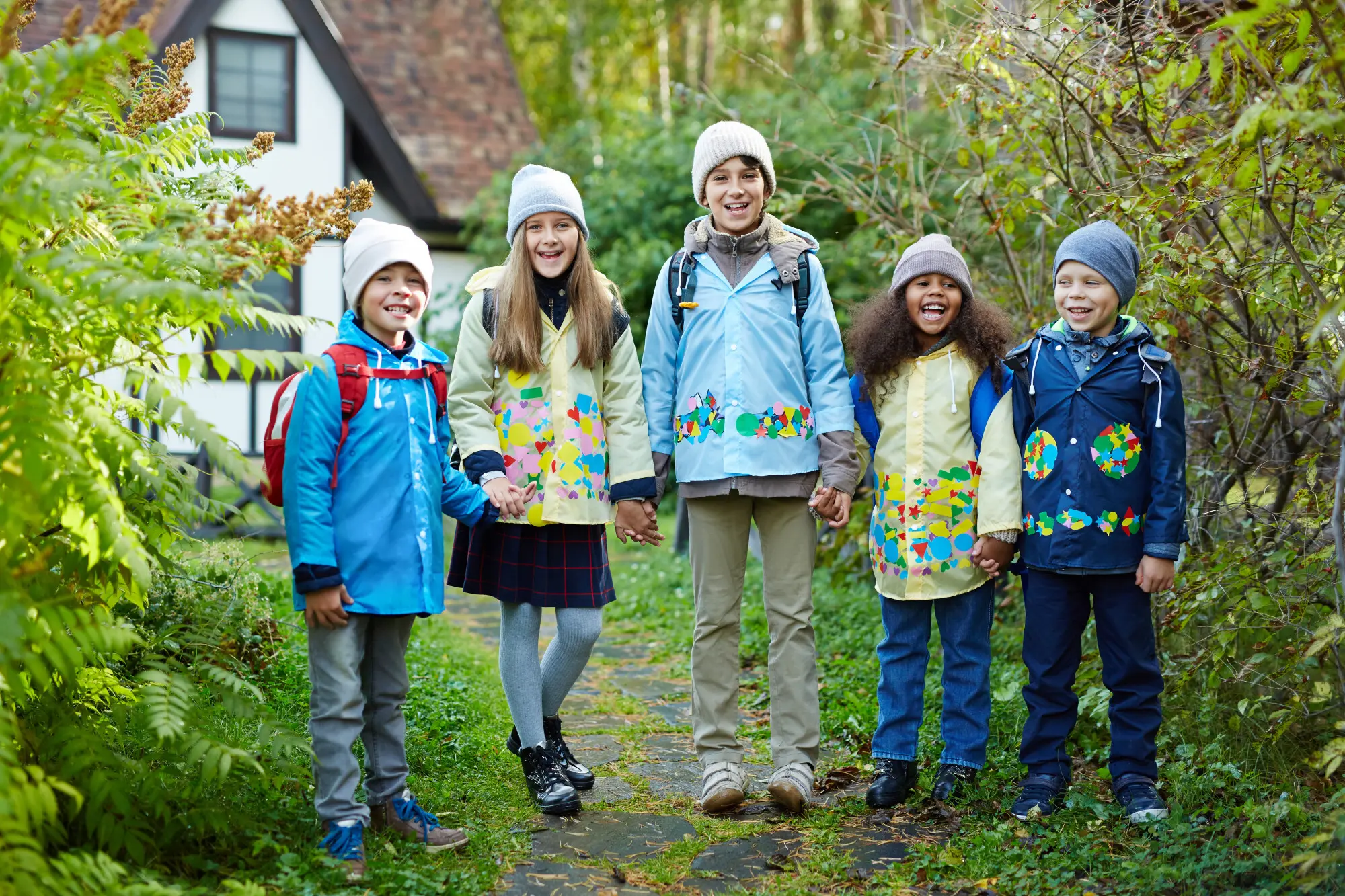
Weather changes fast between sea lochs and high passes. Build breathable layers, pack a windproof shell, and favor wool that insulates when damp. Waterproof boots with grippy soles protect peat edges. Gloves let fingers focus cameras quietly, while a brimmed cap shields patient eyes from drizzle.
Cameras, Phones, and Battery Wisdom

Decide early whether you will photograph or simply watch, then stick kindly to that intent. Silence shutters, carry spare batteries close to warmth, and use burst carefully. More frames rarely equal better stories; steady framing and respectful distances honor living subjects and the moment.

Access, Safety, and Respect

Scottish Outdoor Access principles welcome responsible exploration. Close gates, avoid sensitive ground in nesting season, and give working estates room to operate. On trains, keep gear compact and aisles clear. Share your plan, carry map and compass, and treat every encounter as a privilege, never entitlement.

Stories, Community, and Next Steps

One October, a train paused for a signal as mist lifted. A stag crossed the mirrored bog, entire carriage hushed. No photos, just held breath. That silence lingers, reminding us to swap haste for gratitude, and to tell stories that keep wilderness valued.
Crossing the viaduct, chatter rose for the curve and distant water. Then a shadow skimmed the ridge, wingbeats carving quiet. Someone whispered eagle, and strangers became companions. Share your own serendipity below, because encouragement multiplies patience, and patience opens doors we never knew were there.
Add your best window-seat tip, a favorite hide, or a beginner’s question, and we will highlight select replies in future guides. Subscribe for monthly route breakdowns, species calendars, and accessibility notes, then bring a friend so more eyes and hearts witness thriving Highlands together.