
Highland Horizons: From Rails to Ridges in Sharp Focus
Pack your camera and curiosity as we dive into Photographing Highland Vistas: Best Spots Near Rail Stops and Trail Summits. We will stitch together practical rail-linked routes, soulful trail ascents, and light-chasing wisdom so you can step off a carriage, climb a ridge, and return with images that breathe. Expect real examples around celebrated stations and accessible peaks, timing tips for weather and trains, and stories gathered on windswept platforms where heather brushes your boots.
Railway Gateways to Grand Views
Corrour Station and the Rannoch Moor Expanse
Stepping onto Corrour feels like arriving at the front porch of the sky. With no road access, quiet envelops the bog cotton and mirror pools, inviting wide lenses and careful footwork. A gentle walk toward Loch Ossian reveals layered horizons, while the returning train schedule sharpens your compositional choices. Pack wind protection, respect soft ground, and savor the solitude that makes each frame echo with space.
Glenfinnan Views of the Viaduct and Loch Shiel
From the small station path, a modest climb leads to classic curves of the viaduct framed by rugged hills and drifting cloud. Time your position for steam departures, but also turn around: Loch Shiel stretches luminous behind you. Use a telephoto to compress arches, then switch wide for context when sunlight breaks. Mind footpaths across bracken to protect slopes while securing safe, stable vantage points.
Aviemore Links to Cairngorm Plateaus
Trains into Aviemore open fast access to forests scented with pine and to high plateaus shaped by wind. Buses and taxis bridge the short gap to trailheads, letting you reach Cairn Gorm overlooks before the harshest gusts rise. Layer up, watch for spindrift, and work quickly between sheltering boulders. On calmer days, stitch panoramas across Loch Morlich, catching silver light dancing under weather racing across distant tops.
Chasing Light Across Heather and Stone
Light in the Highlands moves with mercurial grace, transforming stoic ridges into fleeting tapestries. Here we explore dependable patterns and surprising exceptions, pairing train times with celestial shifts. You will learn how low sun reveals braids of rivers, why clouds turn granite tender, and which hours invite silhouettes against glowing lochs. Prepare to wait, to walk a little farther, and to let weather rewrite your plan.

Gear That Defies Wind, Rain, and Peat
Success up high and out on exposed moor depends on simple, reliable tools. Choose equipment that shrugs off rain and grit, balances reach with weight, and can be adjusted while gloved. We compare lens options, filter choices, and stabilization strategies suited to gusts and soft ground. Expect practical notes born from cold fingers on remote platforms and ridge crests where improvisation often rescues the day.
Lenses for Wide Breath and Distant Drama
A versatile pairing of a weather-sealed wide zoom and a light telephoto covers sweeping moors and distant peaks, including passing trains on curving embankments. Favor lenses with fast, reliable autofocus and tactile controls. Prime enthusiasts can add a compact thirty-five for storytelling at stations. Keep hoods attached, wipe constantly, and pre-set focus distances before gusts arrive, minimizing fiddling when the sky suddenly performs above glittering water.
Tripods, Poles, and Field Stability
Carbon legs with twist locks resist freezing rain and shed grit, while a compact ball head simplifies fast reframing between ridgeline and platform. Hang weight from the center column, or lash a strap to your backpack for wind damping. Trekking poles double as monopods in a pinch. Spread legs wide on peat without punching through, and always test firmness before stepping away to capture long exposures.
Weatherproofing and Care Between Showers
Seal your bag with dry sacks, wrap bodies in simple rain covers, and keep microfiber cloths accessible in jacket pockets. Between squalls, open everything to breathe, preventing trapped moisture. Use silica gel at night back in lodging. Clean filters with soft strokes to avoid grit scratches. Check sensor spots before sunrise alarms, and carry a tiny brush for wet grit that evades cloths during hurried lens changes.
Compositions From Platforms to Peaks
Curves, Crossings, and Leading Energy
Viaduct arcs, fence diagonals, and wandering burns make natural guides through a frame. Trace these lines toward light or a distant summit to build tension and release. Step sideways, not forward, when tempted, keeping railway safety paramount. Lower the camera to accentuate converging tracks, then elevate on a boulder for separation between rolling layers. Tiny shifts in footwork often transform cluttered scenes into lucid, breathing compositions.
Foreground Stories That Invite the Hand
Stoic stones crusted with lichen, springy heather bells, or frost-rimed thistles can anchor a scene and offer scale. Kneel to align textures against receding ridges, letting shallow depth carve attention without sacrificing context. Watch wind direction to keep grasses expressive rather than chaotic. Protect fragile plants by stepping on durable surfaces, and always check edges for distractions like bright litter or boot prints catching unnecessary light.
People, Trains, and Quiet Presence
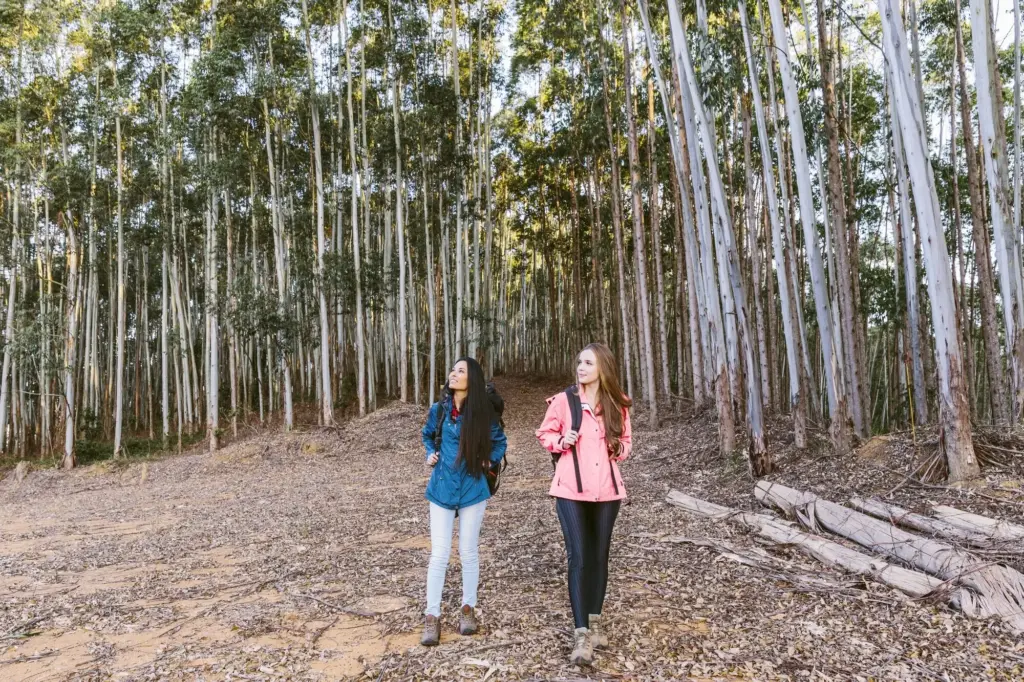
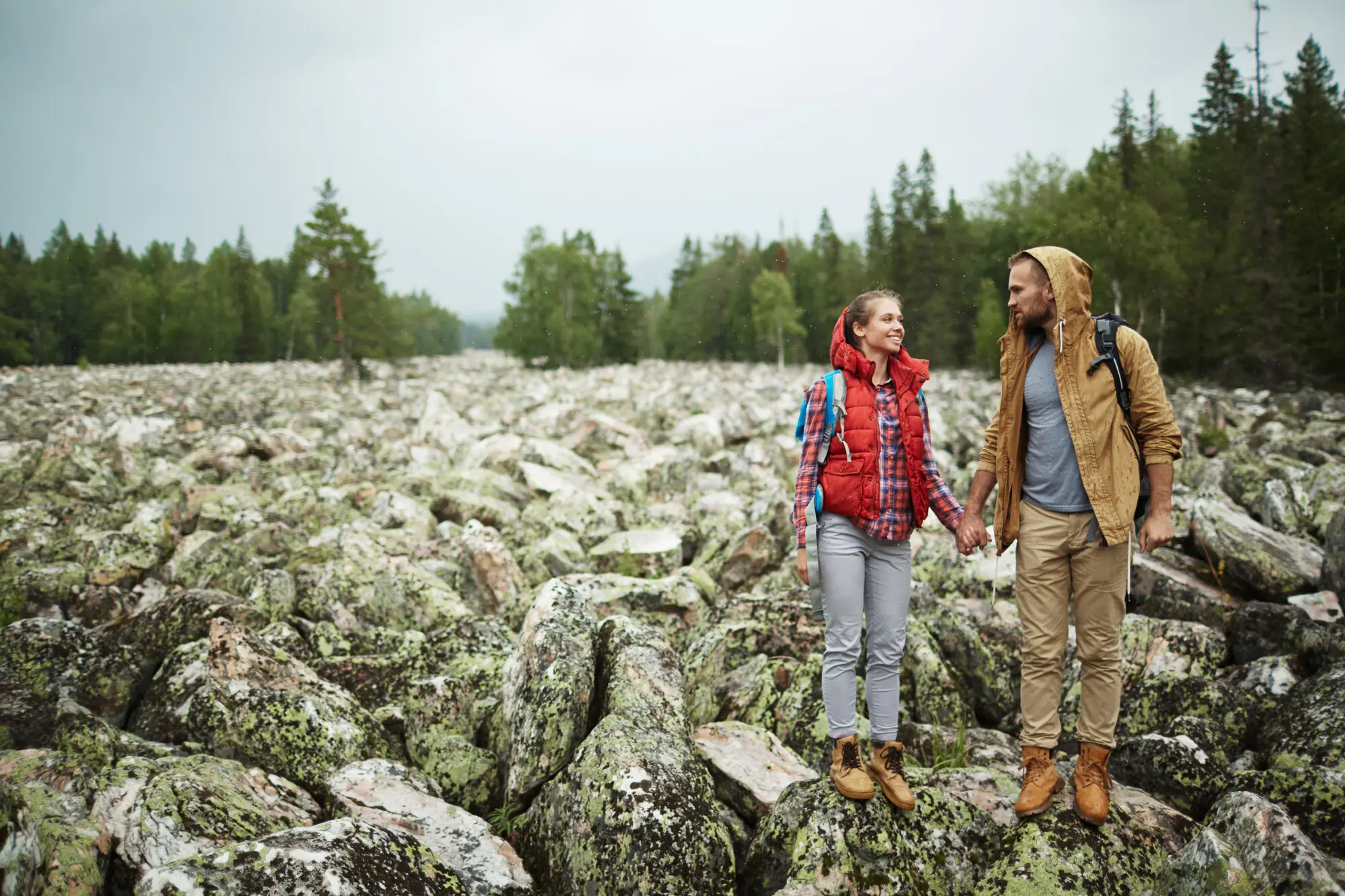
Including hikers or a distant carriage can humanize vastness without turning a landscape into a portrait. Seek silhouettes that read cleanly against sky or loch. Ask permission when close, or frame from behind at respectful distance. A tiny figure in red rain gear lends scale and a navigational pause. Wait patiently for spacing to clear and for wind to settle clothing, then let the land remain protagonist.
Planning Routes That Sync With Rail Schedules
Begin with a realistic window between arrival and the final service, then design an out-and-back or loop that cushions delays and photo pauses. Pin grid references, download maps offline, and mark shelter options. On stormy days, favor low corries over exposed crests. If magic happens late, be ready with lodging near the line or a safe bus alternative, rather than sprinting distracted across bog and rock.

Summit Sense When Weather Turns Suddenly
Wind can escalate in minutes, erasing paths with spindrift or rain. Dress in breathable layers, keeping a dry midlayer sealed in a bag. Spare headlamp batteries matter more than a second filter set. When visibility collapses, navigate by compass between known features and retreat decisively. Photographs improve when judgment is calm. The Highlands will wait for a clearer day; your safety writes the next chapter.
Care for Fragile Ground and Living History
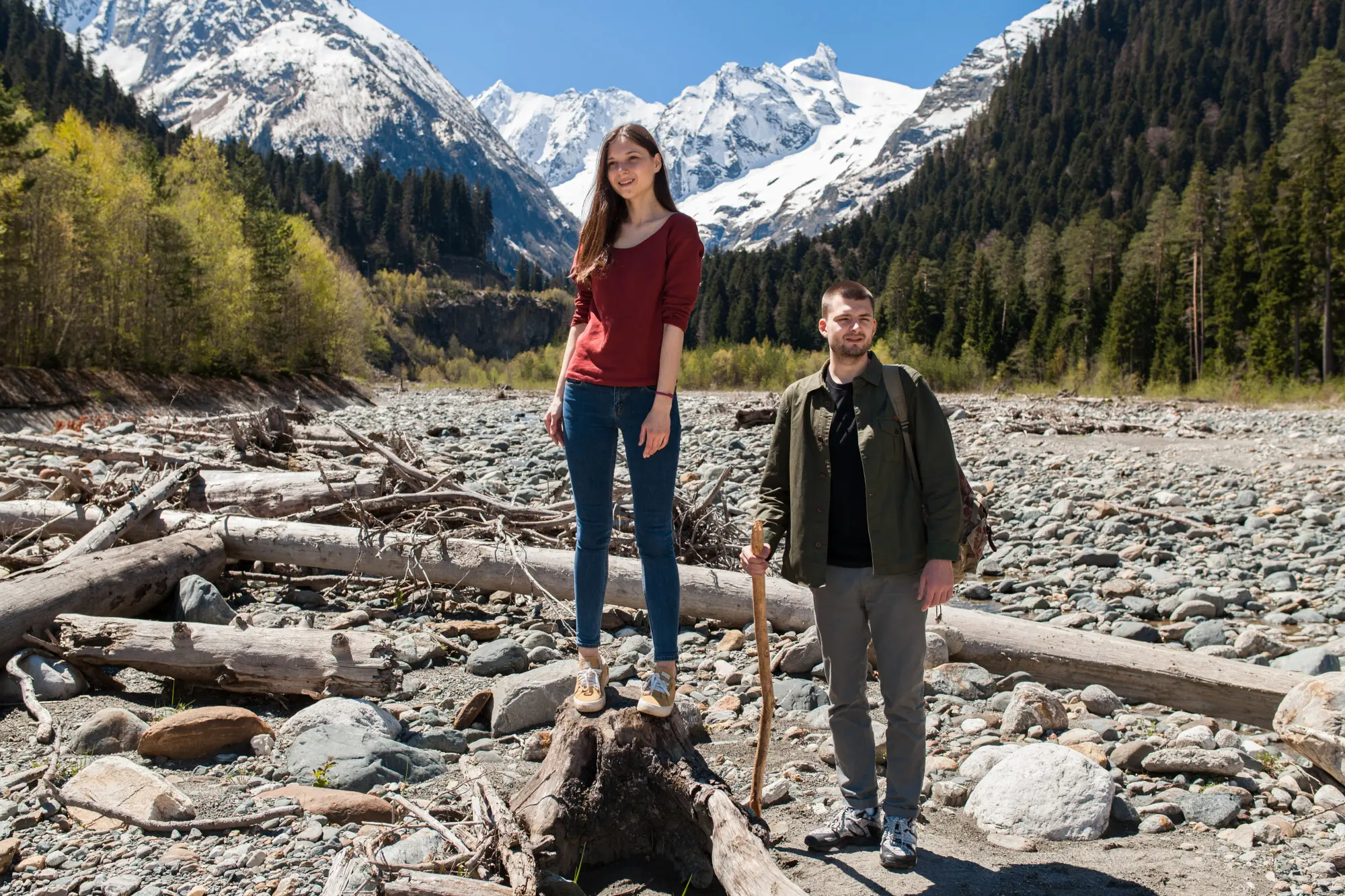
Moorland soils and peat are easily scarred, and heritage structures deserve distance. Stick to established paths where possible, stepping on rock over sponge. Keep drones grounded near wildlife, trains, and crowds. Pack out every scrap, including biodegradable bits that still linger. Learn place names and stories from locals, leaving gates as found. Your images gain resonance when they honor communities, language, and delicate ecosystems sustaining tomorrow’s wanderers.
From RAW Files to Honest, Luminous Prints
Editing should preserve the Highlands stubborn lyricism rather than drowning it in tricks. We will nudge white balance to cool breezes or warm peat, lift shadows without smothering grit, and keep clouds textured. Thoughtful dodging emphasizes trails; restrained clarity protects mist. Calibrated monitors and soft-proofing respect print tonality. Let memory guide choices humbly, balancing drama with truth so viewers sense weather, distance, and endurance.
All Rights Reserved.